Saudi Arabia Enhances Food Security by Expanding Fruit Cultivation in 8 Regions
Saudi Arabia is enhancing its food security by expanding fruit production using smart agriculture and efficient irrigation systems, aligning with Vision 2030.
Saudi Arabia is rapidly advancing towards enhancing its food security and achieving self-sufficiency in fruit production through a comprehensive system of initiatives and projects that have increased local production, improved resource use efficiency, and implemented the latest agricultural technologies. This aligns with the goals of Vision 2030 aimed at building a sustainable economy and developing a modern agricultural sector.
In recent years, the agricultural sector has undergone a qualitative transformation thanks to government support for farmers and the expansion of protected and smart agriculture technologies, along with high-efficiency irrigation systems, research and development programs, and agricultural guidance. This has contributed to increasing the production of various fruit varieties and improving their quality, making national products competitive in both local and international markets.
The Ministry of Environment, Water, and Agriculture plays a pivotal role through programs that enhance production efficiency, optimize water use, encourage investment in the agricultural sector, and expand the cultivation of economically viable crops, achieving a balance between agricultural development and natural resource conservation.
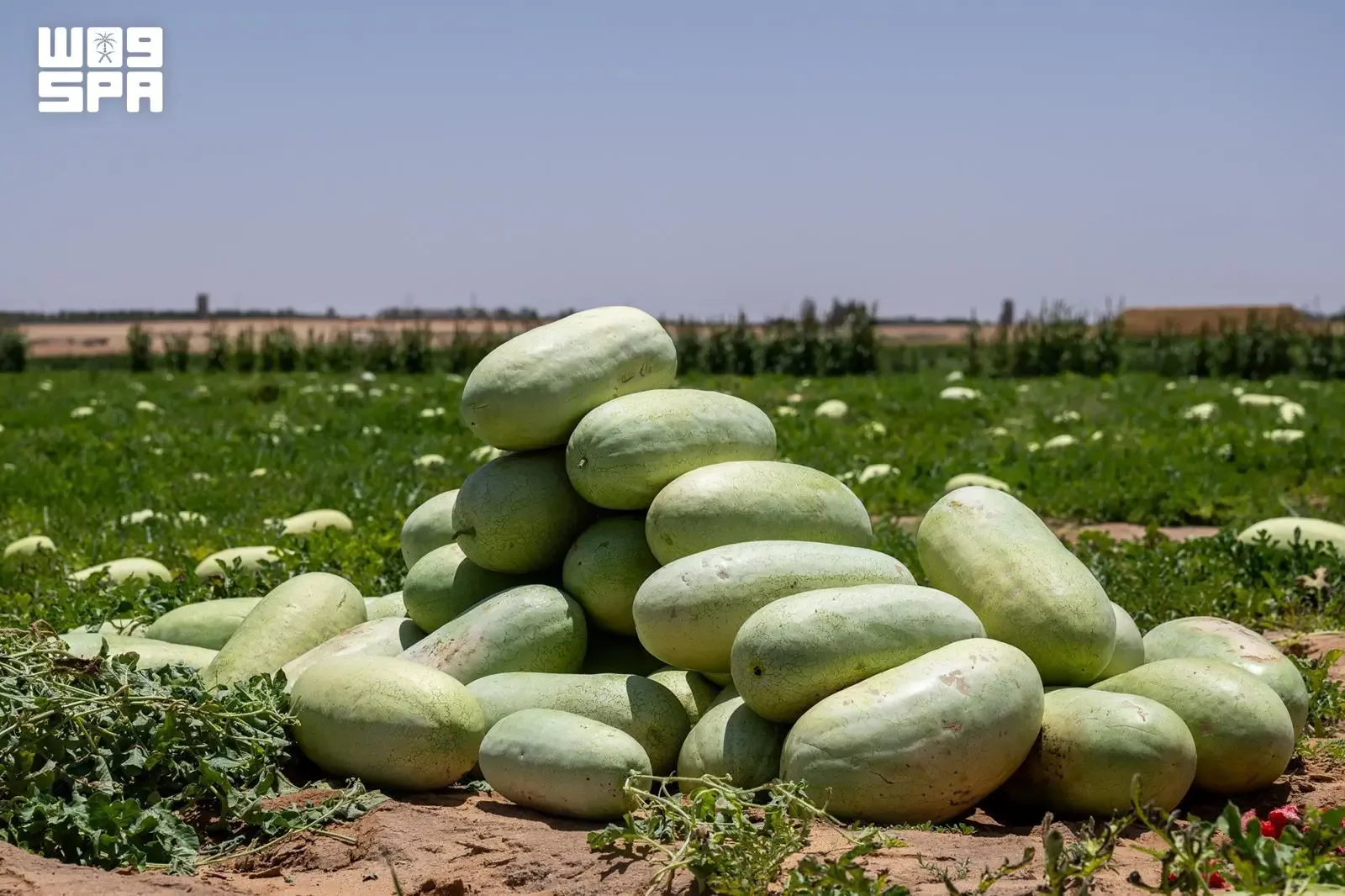
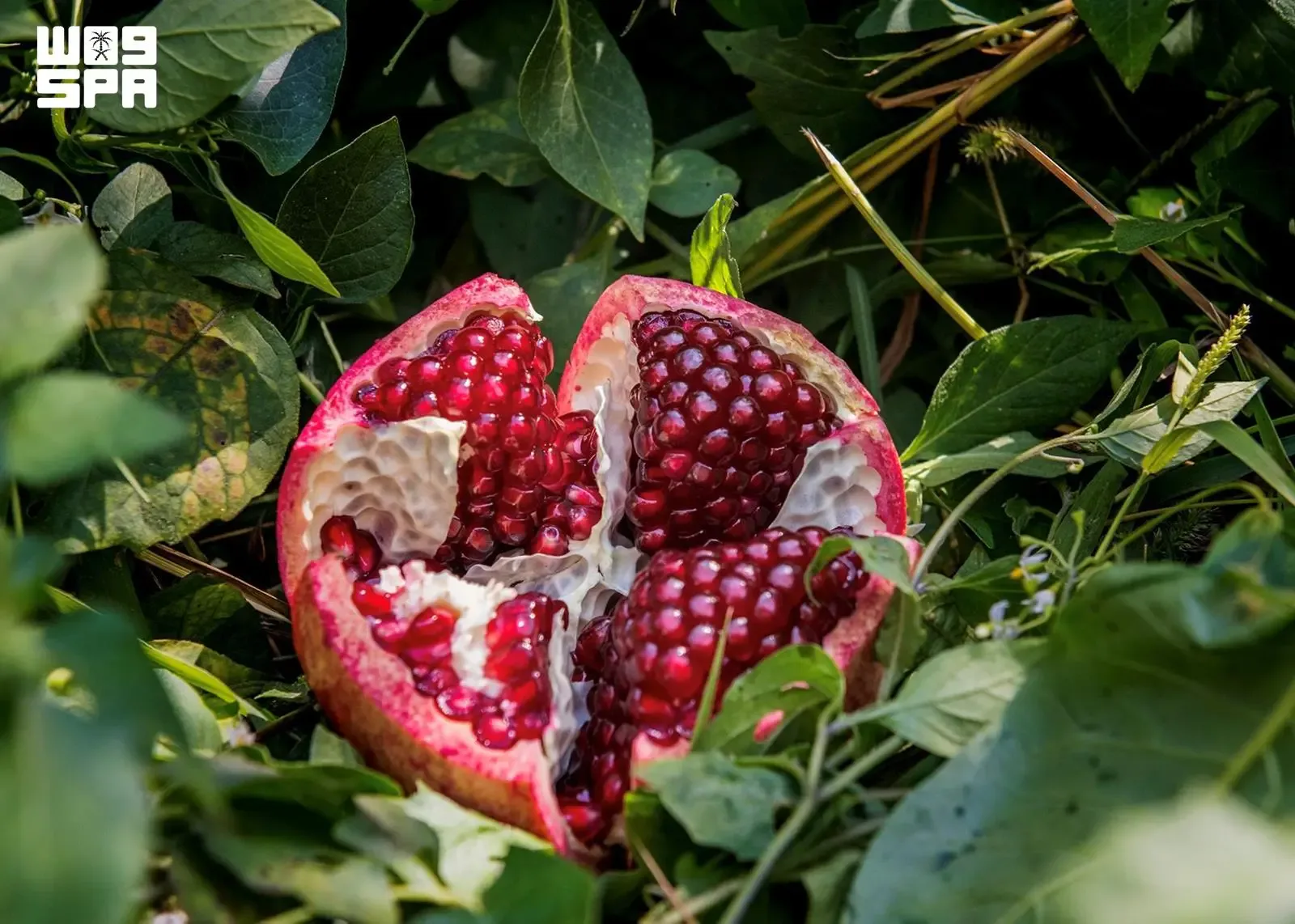
Fruit cultivation is distributed across different regions of the Kingdom according to their climatic features. The Qassim region is known for producing grapes, pomegranates, figs, and some citrus varieties. The Al-Jouf region is one of the largest producers of olives, alongside grapes and pomegranates. The Tabuk region is distinguished by the production of peaches, apricots, plums, and grapes. The Taif region is famous for pomegranates, figs, grapes, and peaches. The Asir region stands out for producing figs, pomegranates, peaches, and apricots. The Jazan region produces mangoes, papayas, and bananas, while the Najran region is known for grapes, pomegranates, and dates. Citrus cultivation is widespread in the Al-Baha region and several other provinces.
The abundance and variety of fruits throughout the year provide diverse dietary options for consumers, increase reliance on national products, and reduce the need for imports during several seasons, especially with modern storage and marketing techniques that have sustainably stabilized markets.
Economically, the agricultural sector offers promising investment opportunities that contribute to the development of food industries, supply chains, transportation, packaging, and marketing, as well as providing direct and indirect employment opportunities and enhancing the sector's contribution to the GDP.
Modern agricultural projects rely on technologies that reduce water consumption and increase irrigation efficiency, using greenhouses and smart systems to monitor crops, achieving higher production with fewer resources and enhancing the sector's ability to face climate changes.
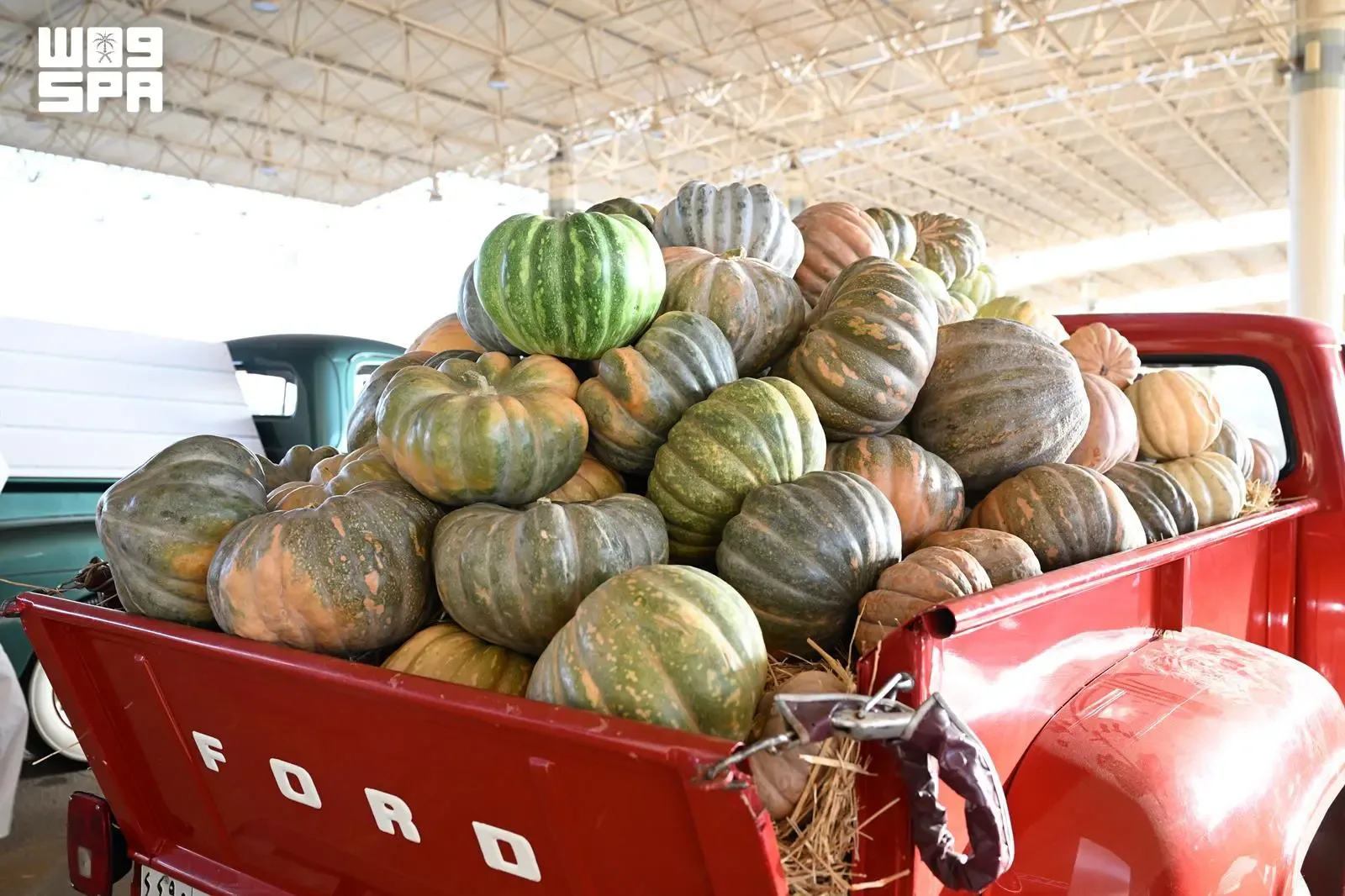
The expansion of fruit production has boosted agricultural tourism, with seasonal festivals such as grape, pomegranate, mango, and fig festivals becoming attractions for visitors from within and outside the Kingdom, supporting productive families and farmers, and highlighting the agricultural identity of the regions.
Official indicators point to continued growth in the agricultural sector and an increase in its contribution to the national economy, supported by government initiatives and growing investments in agricultural technologies, as part of policies aimed at achieving food security, diversifying income sources, and increasing local production efficiency within the goals of Vision 2030.